THE MARGIN HAS TO FUND THE MARKETING
FOOD & BEVERAGE
In this category the second order is where the money is. The whole job is getting there without spending the first one's margin twice.



Let's Define Terms
What is food and beverage marketing?
Food and drink is a repeat-purchase business with a first-purchase cost. Acquiring a customer usually costs more than the first basket returns, which means the economics only work if they come back.
It's also the category where marketing and margin are the same conversation. Delivery, packaging and cost of goods leave less room than almost anywhere else, so the decision is rarely "spend more". It's which order, which basket size, and which channel the margin can actually support.
Industry Snapshot
- Typical business models
- D2C subscription, retail and wholesale, hybrid retail and D2C, hospitality supply
- Key channels
- Meta, retail media, email and SMS, organic social, organic search
- Core KPIs
- Repeat rate, contribution margin, basket size, subscription retention
Key Challenges
Four walls that show up in the margin, not the dashboard.
-
The first order loses money on purpose
Which only works if the second one arrives, and nobody is tracking whether it does.
-
Retail listings and D2C fight each other
The same product at two prices, and the channel with the better margin is the one losing.
-
Basket size never moves
Acquisition gets all the attention. The average order value has been flat for two years.
-
Subscription churn nobody watches
Sign-ups are reported monthly. Cancellations are noticed annually.
Turning Bottlenecks Into Growth Levers
What we'd change before spending more on acquisition.
-
Contribution margin, not ROAS
Reporting that shows what a customer is worth after cost of goods and delivery. ROAS on its own has bankrupted better brands than yours.
-
The second order
Lifecycle built around the specific window in which your product runs out, because that's the only moment the message lands.
-
Basket economics
Bundling, thresholds and product mix that move average order value, which is usually cheaper than moving traffic.
-
Channel by margin
Which channels can your margin actually afford, and which are only affordable at a basket size you don't have yet.
Service Ecosystem
Our Food & Beverage Growth Stack
-
Paid media
Performance media across Meta, Google, and paid social, optimized specifically for ROAS - not just impressions or clicks.
Explore Paid Marketing -
Retail media and marketplace
Organic visibility that reduces long-term dependency on paid spend, compounding traffic that doesn't disappear when a campaign budget runs out.
Explore SEO Services -
Retention
Amazon and Flipkart listing optimization and ad management for brands running a hybrid D2C-plus-marketplace model.
Explore Marketplace Marketing -
Creative and production
Storefront builds and rebuilds structured around the purchase flow that converts, not the one that was inherited.
Explore Web Development -
Web development
Email, SMS and lifecycle programmes that turn a first order into a second one without buying the customer again.
Explore Retention Marketing -
Brand and strategy
Results From Our Work, Across Sectors
What "it worked" looked like the last few times.
- 3.4x Online revenue growth for a D2C food brand within two quarters
- 41% Increase in repeat purchase rate after a retention rebuild, same brand
Featured Case Studies
Breaking Down a High-Impact Project
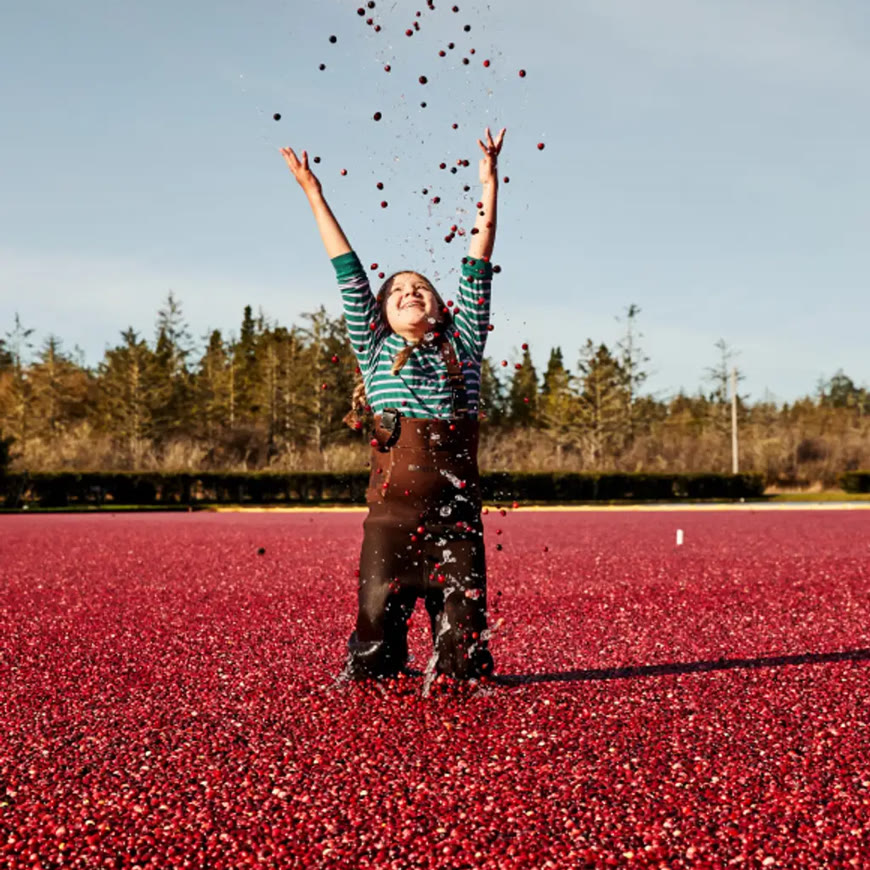
Northfield Organics
From Retail Brand to D2C Growth Engine
The Problem
Strong five-year retail presence, almost no direct-to-consumer traffic or repeat purchase behavior online. Site conversion sat under 1%.
The Strategy
Repositioned the brand around freshness, direct sourcing, and subscription convenience - the things retail shelf space couldn't offer - before rebuilding the site or launching paid campaigns.
FAQs
Straight Answers, No Sales Layer
Our margins are thin. Can paid media even work?
Sometimes, and sometimes the honest answer is not yet. That's a calculation rather than an opinion: what a customer is worth over a year against what one costs to acquire. If the numbers don't work, the fix is the basket or the repeat rate first.
We sell in retail and direct. Do they compete?
Usually, and pretending otherwise is what causes the problem. Retail buys reach and D2C buys the relationship. The work is deciding what each channel is for and pricing them so they aren't quietly cannibalising each other.
How do you improve repeat purchase?
Mostly by timing rather than discounting. Working out when your product actually runs out, and being there then. Discount-led retention trains people to wait for the discount.
How quickly will we see results?
Paid shows a signal in four to six weeks. Repeat rate needs a full purchase cycle, so for most food brands that's sixty to ninety days before anything can be read properly.
What do you need from us to start?
Cost of goods, delivery cost and your current repeat rate. We'd rather have those three than a year of ad account history. --- ---